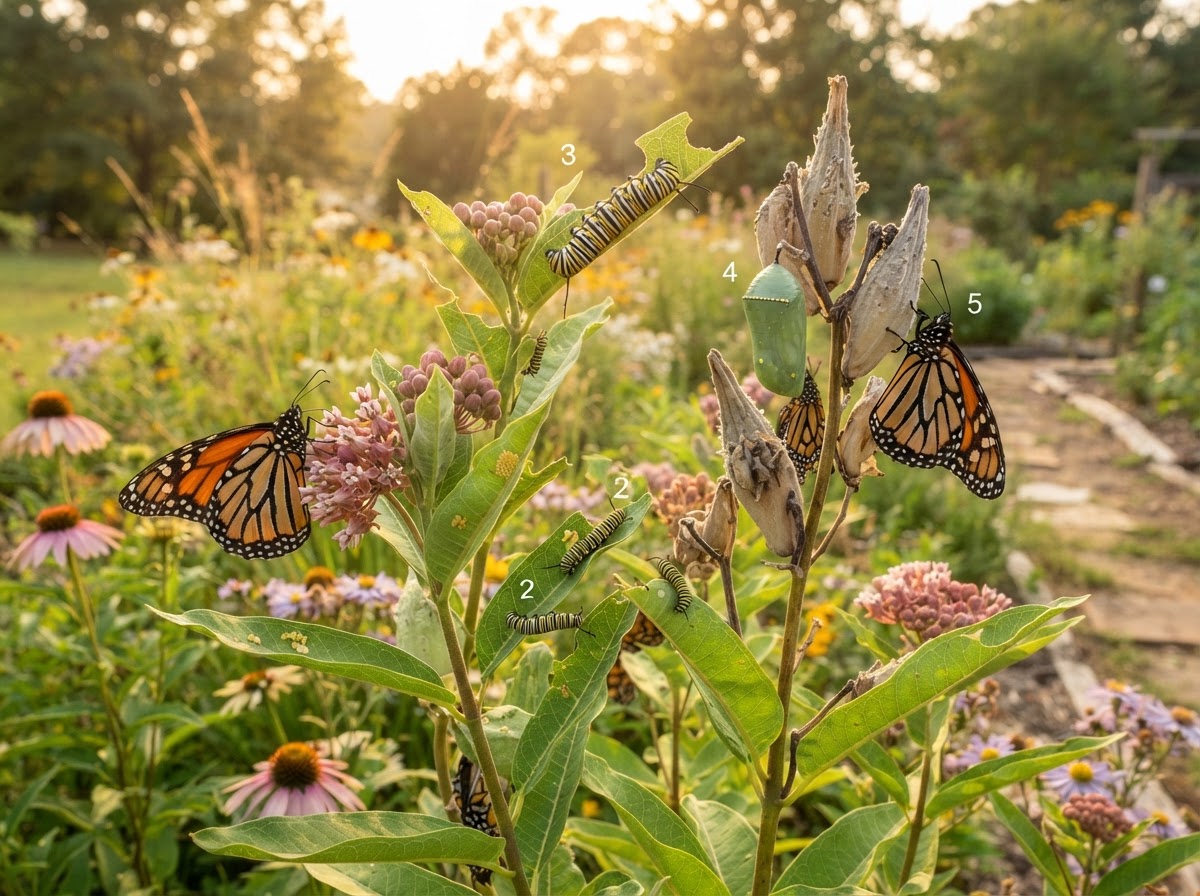
Certified Monarch Waystations: Helping the Migration in Northeast Georgia
Monarch populations are in peril. Learn how to build a certified habitat that supports the iconic migration right in your backyard.
Host Plants and Nectar: The Monarch Formula
The migration of the Monarch butterfly is one of the natural world's greatest wonders, and Northeast Georgia is a vital waypoint on their journey. To support them, we need to provide two key things: host plants for their larvae and nectar for the adults.
Milkweed is non-negotiable. Monarch caterpillars can eat nothing else. We recommend native species like Butterfly Milkweed (Asclepias tuberosa) and Swamp Milkweed (Asclepias incarnata) for Georgia gardens. Avoid non-native tropical milkweed, which can carry parasites that harm monarchs.
Certification as a Monarch Waystation through Monarch Watch requires a commitment to these native plantings and a pesticide-free environment. It's a badge of honor that shows your landscape is part of a larger, continental effort to save this species from extinction.
Senior Partner Landscaping
Ecological Landscaping Experts
Ready to restore your piece of Georgia?
Our ecological designers specialize in native plant systems across Oconee, Athens-Clarke, and surrounding counties.
Book Your Free ConsultationMore from the Blog
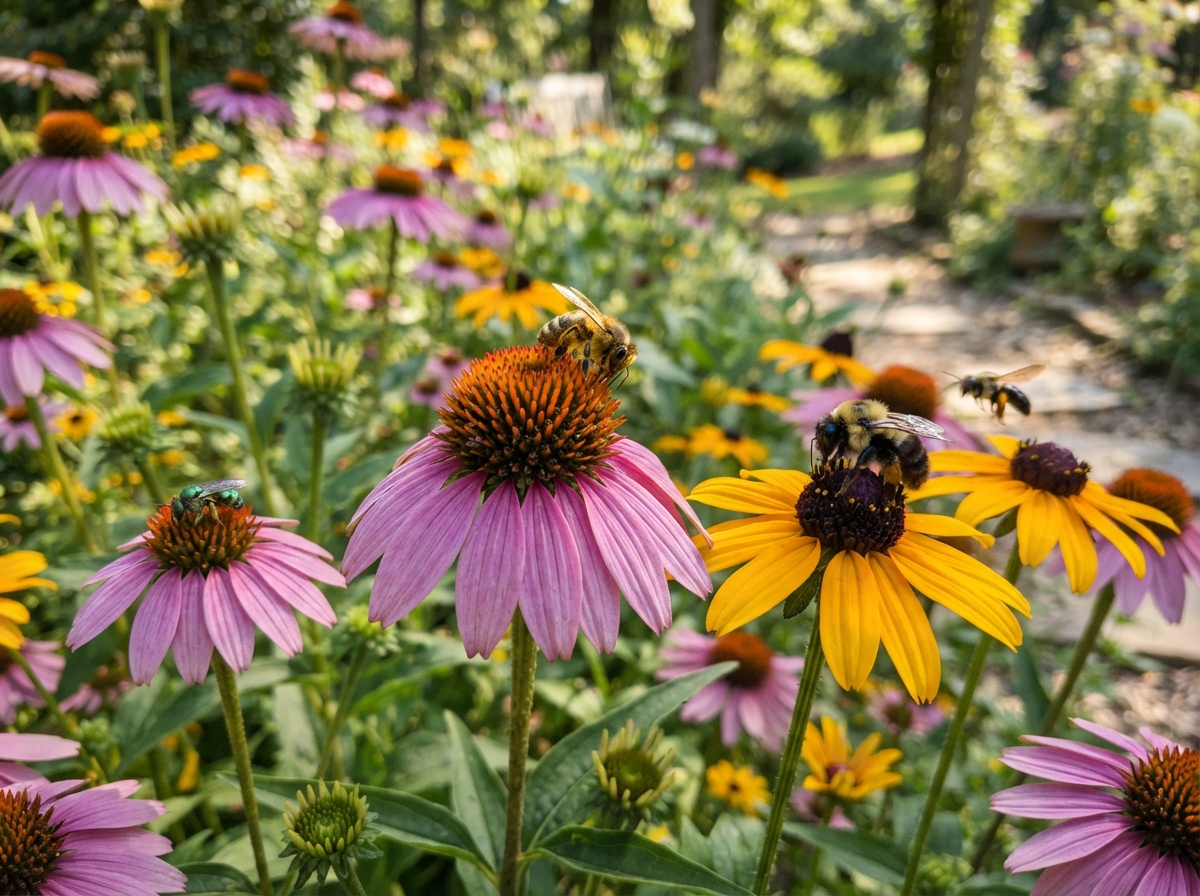
Why Pollinator Gardens Matter in Georgia: A Complete Guide for Northeast Georgia Homeowners
Discover how a thoughtfully designed pollinator garden supports declining bee and butterfly populations while adding beauty and ecological value to your Georgia landscape.
Full Article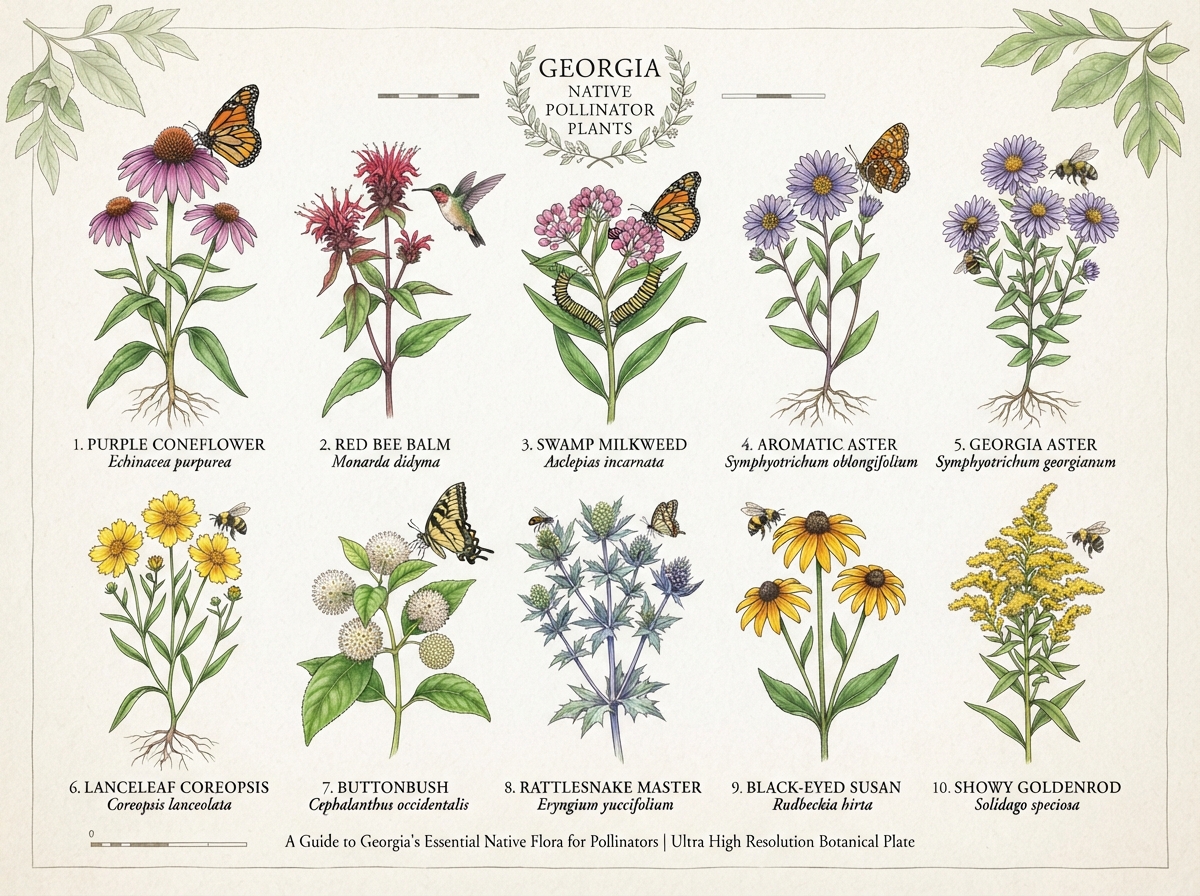
Top 10 Native Plants for Georgia Pollinators
A practical guide to the best native plants for attracting and supporting bees, butterflies, and hummingbirds in your Georgia garden.
Full Article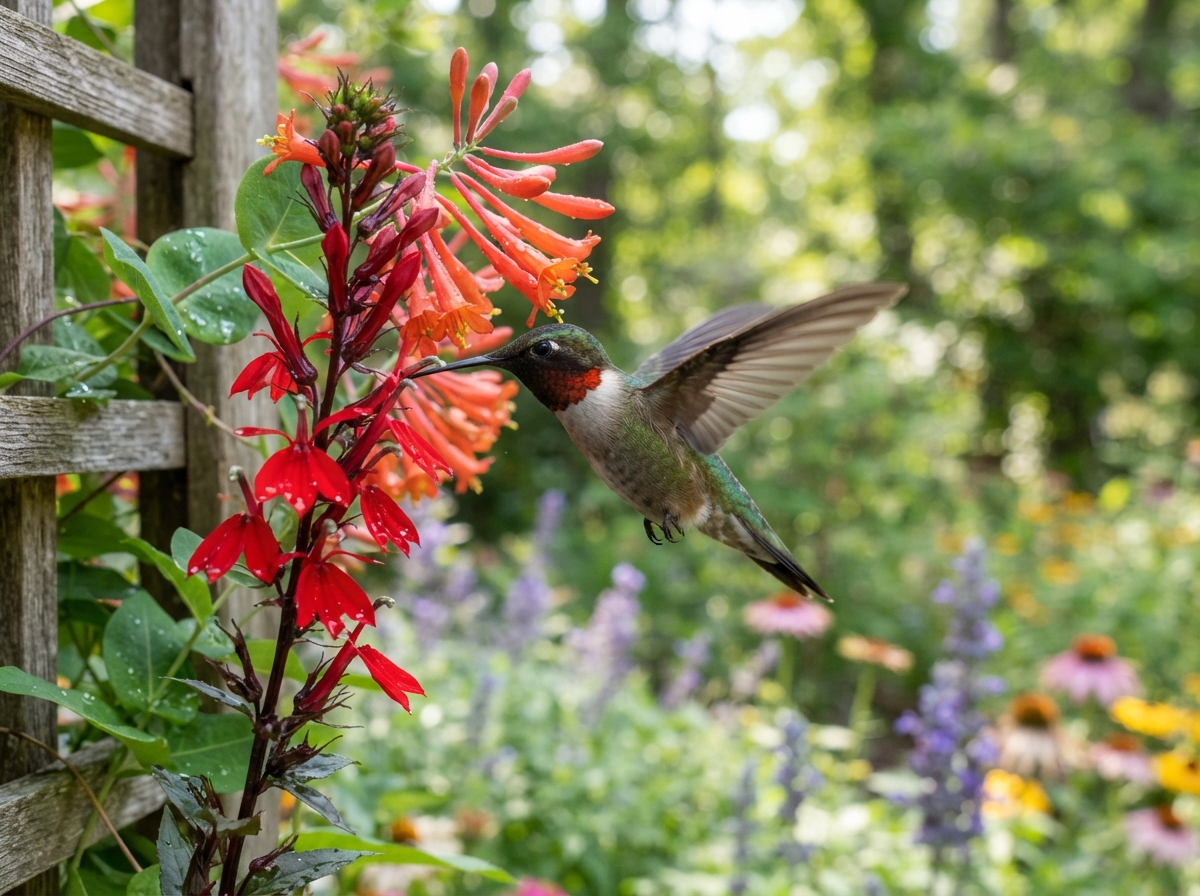
Creating a Hummingbird Haven with Georgia Native Plants
Turn your yard into a sanctuary for Ruby-throated Hummingbirds using native tubular flowers and tiered landscaping.
Full Article