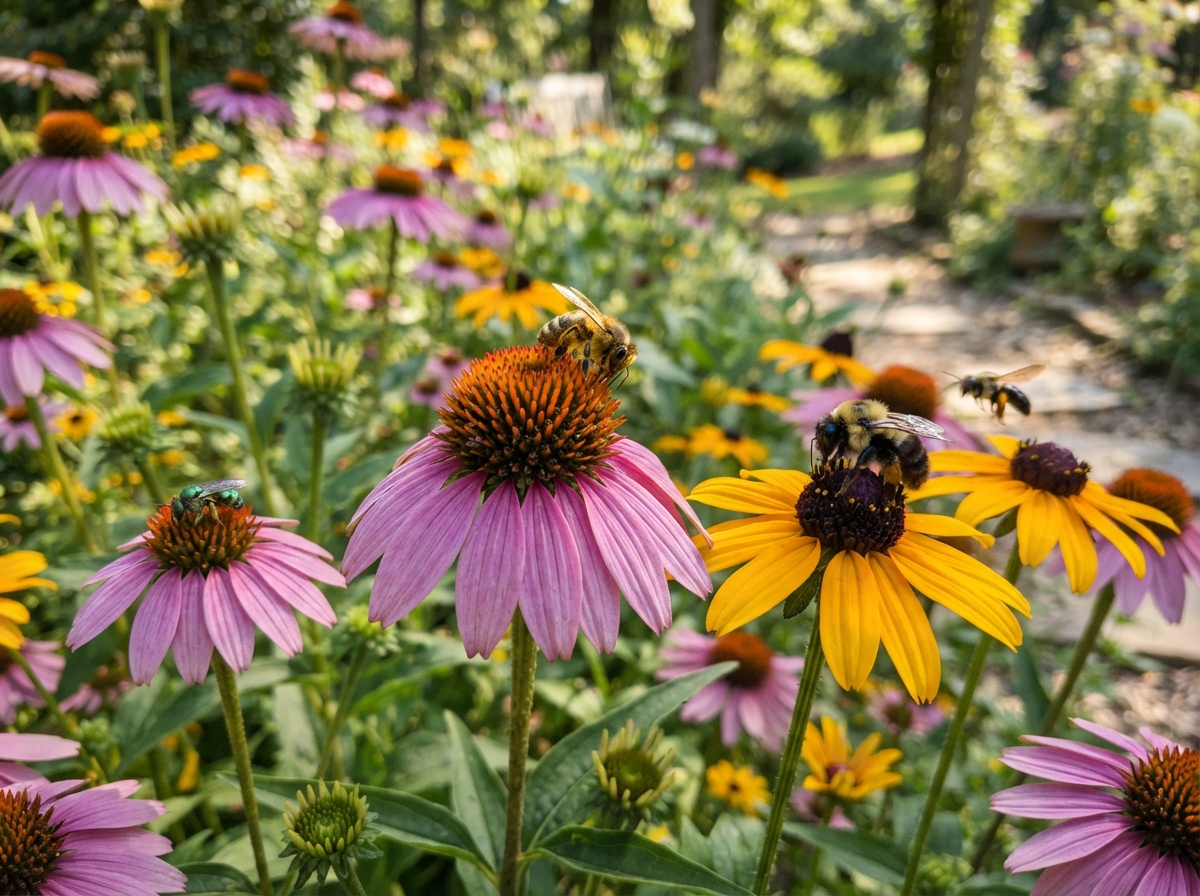
Why Pollinator Gardens Matter in Georgia: A Complete Guide for Northeast Georgia Homeowners
Discover how a thoughtfully designed pollinator garden supports declining bee and butterfly populations while adding beauty and ecological value to your Georgia landscape.
The Pollinator Crisis in Georgia: Why It Matters Now
Pollinators are the unsung heroes of our ecosystem, and their decline is one of the most pressing environmental challenges facing Georgia today. In our state alone, over 500 species of native bees, along with butterflies, moths, beetles, and hummingbirds, are responsible for pollinating everything from wildflowers to agricultural crops worth billions of dollars annually. Yet habitat loss, pesticide use, climate change, and urban expansion have caused dramatic declines in these essential species across Northeast Georgia and beyond.
The numbers are sobering. Monarch butterfly populations have plummeted by over 80% in the past two decades. Several bumblebee species that were once common in Georgia, including the rusty patched bumblebee, are now federally endangered. The American bumblebee has seen a 90% population decline in some regions. These are not distant, abstract problems — they are happening in our backyards, in our parks, and across the meadows and fields of Oconee, Athens-Clarke, Barrow, Jackson, and Walton counties.
The root cause is straightforward: pollinators have nowhere left to go. As forests are cleared, meadows are mowed, and native vegetation is replaced with turf grass and non-native ornamentals, the plants that pollinators depend on for nectar, pollen, and host services disappear. A traditional suburban landscape, dominated by a manicured lawn and a few non-native shrubs, provides almost no habitat value. It is, in ecological terms, a desert.
This is where pollinator gardens come in. A pollinator garden is a purpose-built habitat designed to provide nectar, pollen, and shelter throughout the year. Unlike traditional ornamental gardens, which may offer little nutritional value, a pollinator garden uses native plants that have co-evolved with local pollinator species over thousands of years. These plants provide the right kind of nectar, the right bloom times, and the right host relationships that non-native plants simply cannot match.
The good news is that this is a solvable problem. Every Georgia homeowner who converts even a portion of their lawn to a pollinator garden is making a measurable difference. Research from the University of Delaware shows that even small residential pollinator gardens can support significant numbers of native bee and butterfly species. When these gardens are connected across a neighborhood or community, they create pollinator corridors that allow species to move, forage, and reproduce across the landscape.
Frequently Asked Questions
Q.What are the best plants for a Georgia pollinator garden?
Top native plants for Georgia include Purple Coneflower (Echinacea purpurea), Butterfly Milkweed (Asclepias tuberosa), Bee Balm (Monarda didyma), and New England Aster (Symphyotrichum novae-angliae). These provide a range of bloom times and host benefits.
Senior Partner Landscaping
Ecological Landscaping Experts
Ready to restore your piece of Georgia?
Our ecological designers specialize in native plant systems across Oconee, Athens-Clarke, and surrounding counties.
Book Your Free ConsultationMore from the Blog
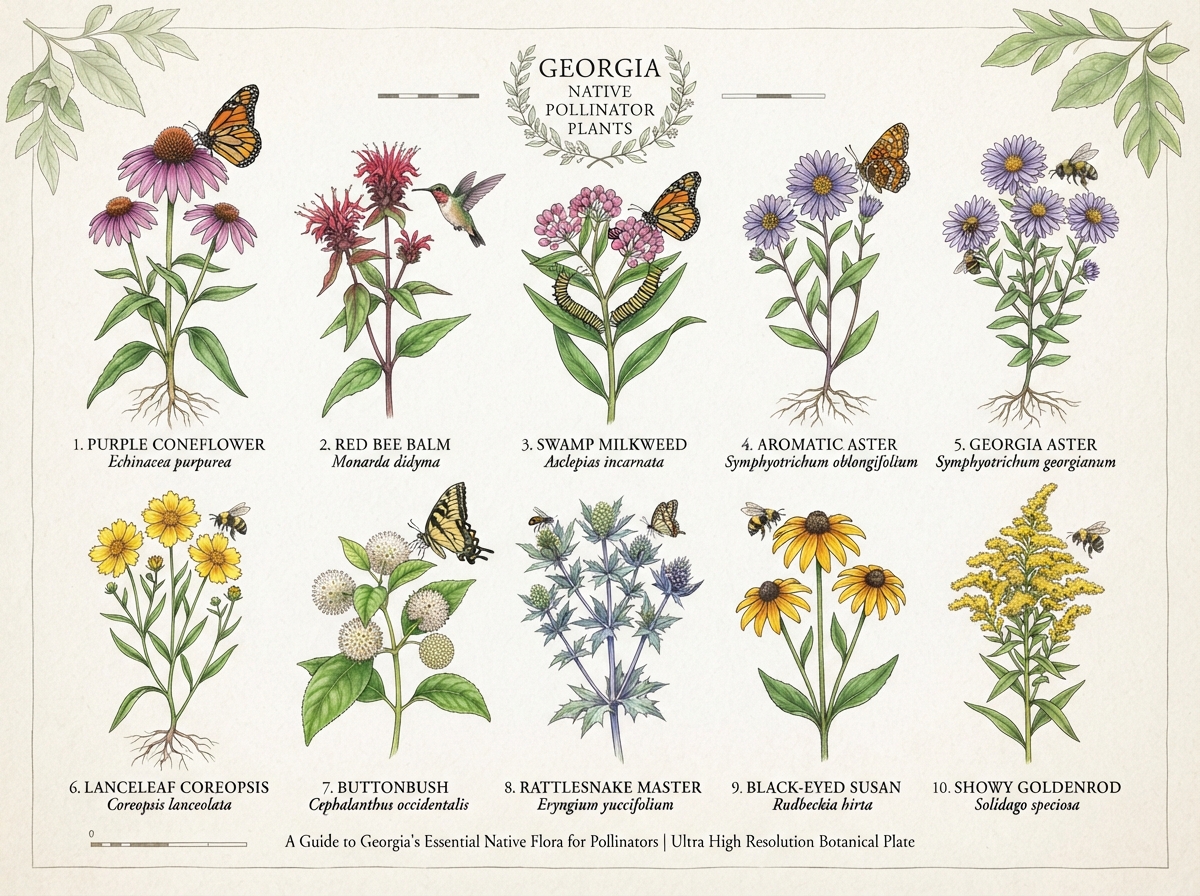
Top 10 Native Plants for Georgia Pollinators
A practical guide to the best native plants for attracting and supporting bees, butterflies, and hummingbirds in your Georgia garden.
Full Article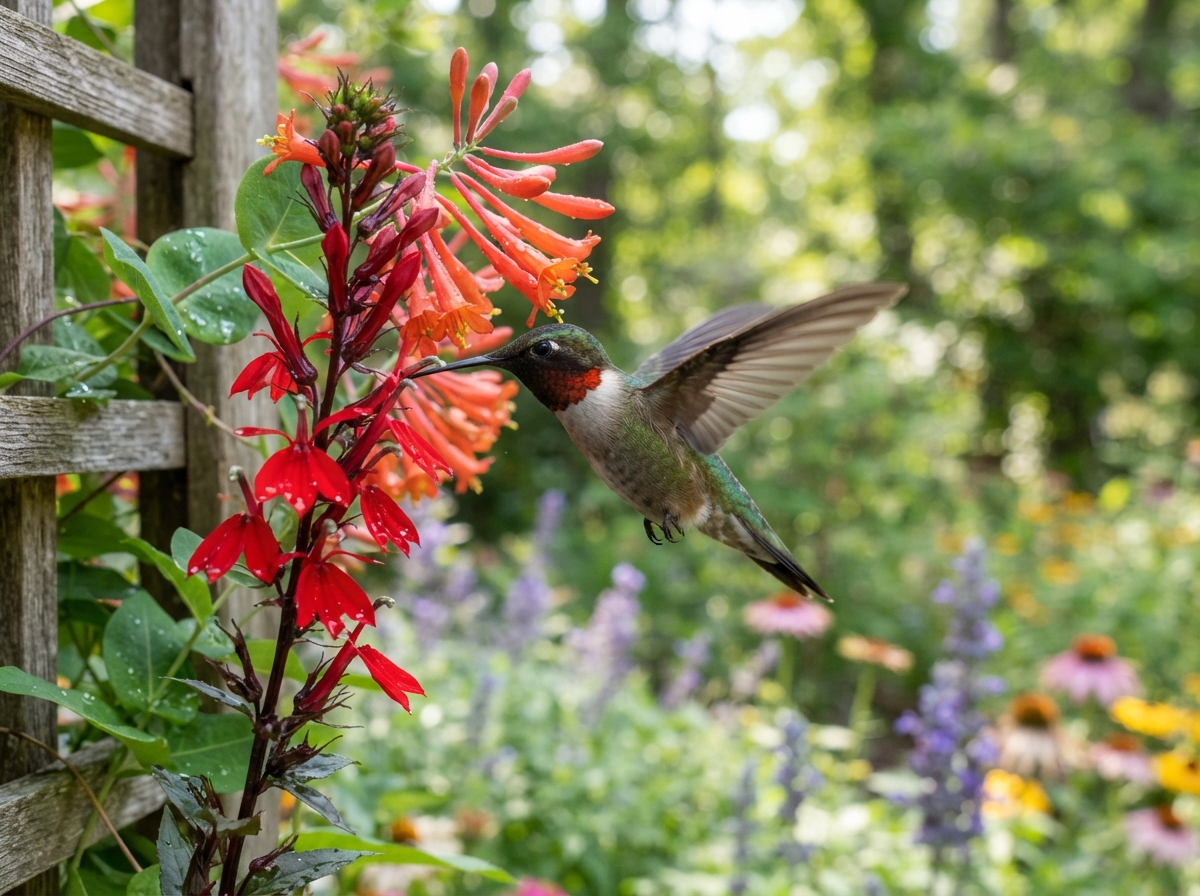
Creating a Hummingbird Haven with Georgia Native Plants
Turn your yard into a sanctuary for Ruby-throated Hummingbirds using native tubular flowers and tiered landscaping.
Full Article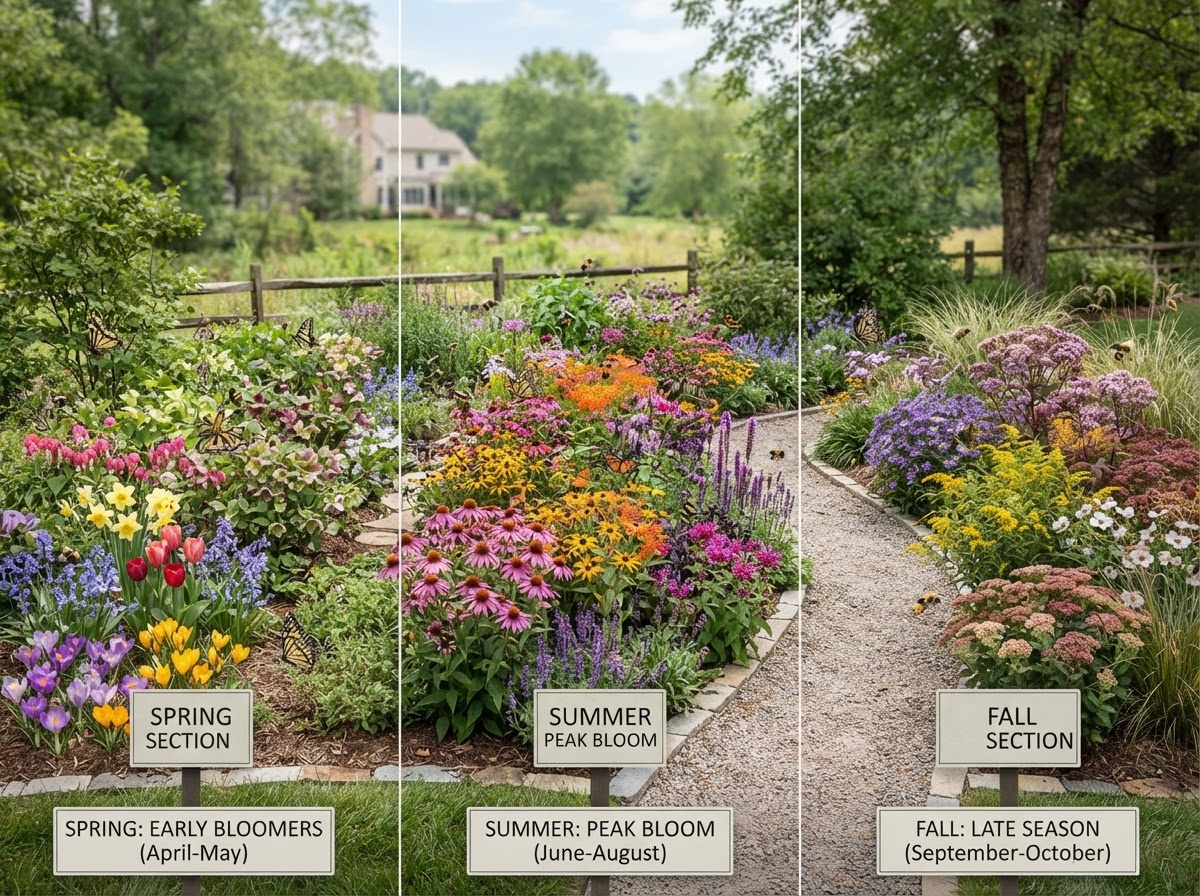
The Four-Season Pollinator Garden: Planning for Continuous Habitat
A successful pollinator garden never goes dormant. Learn how to design for blooms from March through November in Georgia.
Full Article